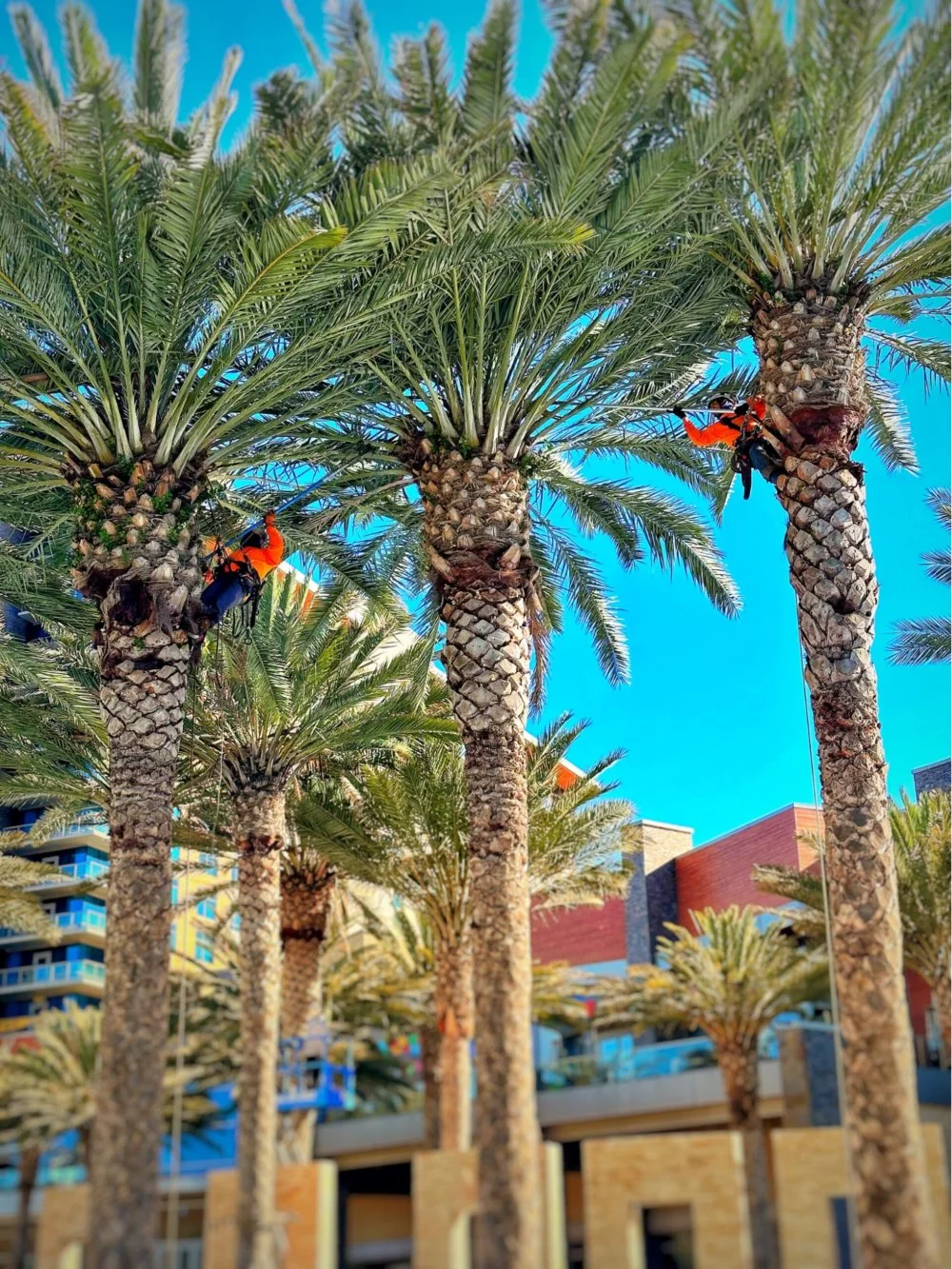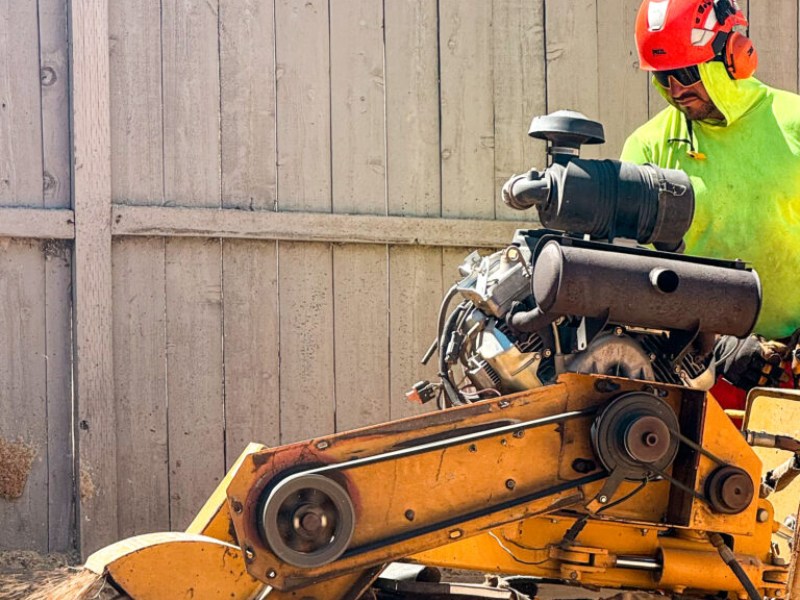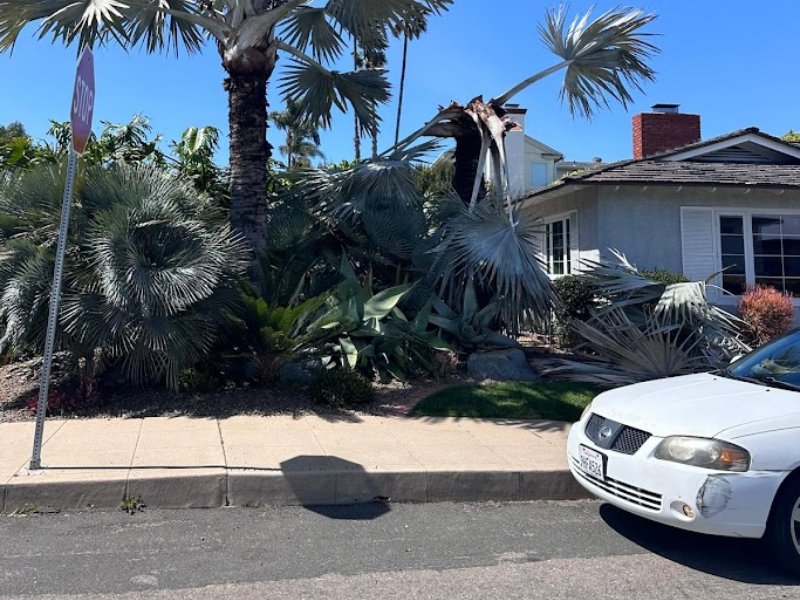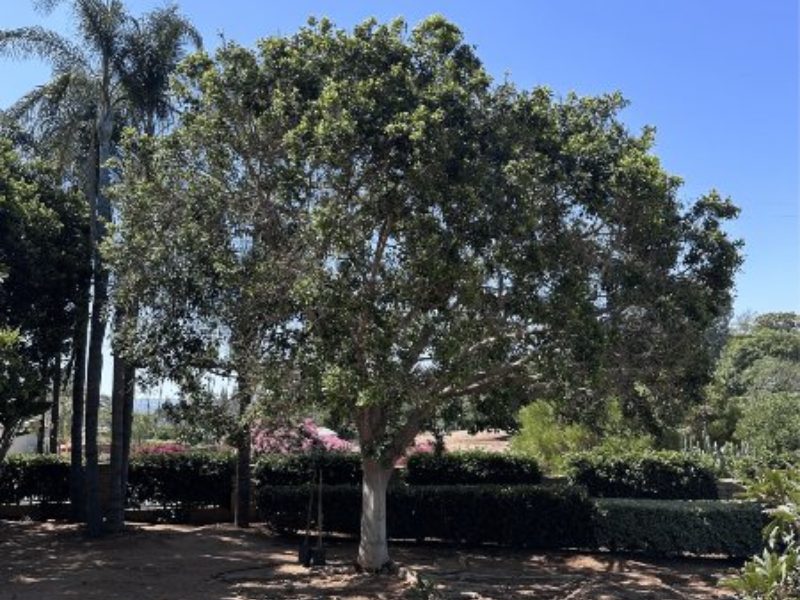
Homeowners in San Diego often look at their trees and assume “trimming” is just trimming. But when branches start hanging over roofs, blocking sunlight, or growing unevenly, the real question becomes more important: Is this a job for tree pruning or tree shaping? They may sound similar, but they serve very different purposes—and knowing which one your landscape needs can make the difference between a healthy, thriving tree and one that becomes a safety risk.
That’s where a professional guide matters.
CM Precision Tree and Landscape Maintenance Inc helps homeowners understand not just what their trees need, but why they need it—so every cut supports long-term health, safety, and beauty.
The Problem: Trees That Look “Off” But Aren’t Clearly Sick
In San Diego’s climate—where warm sun, seasonal winds, and drought conditions all influence growth—trees rarely grow in a perfectly controlled way. Homeowners often notice:
- Overgrown or uneven canopies
- Branches scraping roofs or fences
- Dense shade that blocks light from lawns or gardens
- Trees that look “wild” or unbalanced
The challenge is that these issues don’t always mean the same thing. Sometimes the tree is unhealthy. Sometimes it’s just unshaped. And sometimes it’s both.
That’s where pruning and shaping come in.
Tree Pruning: The Health and Safety Approach
Think of tree pruning as the medical care of arboriculture.
Pruning focuses on the tree’s health, structure, and safety. It involves removing:
- Dead or dying branches
- Diseased or insect-infested limbs
- Weak or crossing branches that can cause damage
- Limbs that pose hazards to roofs, power lines, or walkways
In StoryBrand terms, pruning is what protects the tree—and the homeowner—from future problems.
When done correctly, pruning can:
- Prevent disease from spreading
- Improve airflow and sunlight penetration
- Strengthen the tree’s structure
- Reduce the risk of storm damage
In San Diego, pruning is especially important before seasonal wind events or dry months when brittle limbs can become dangerous.
But pruning is not about making a tree look “perfect.” It’s about making it safe and healthy from the inside out.
Tree Shaping: The Aesthetic and Growth Direction Approach
If pruning is medical care, tree shaping is landscape design.
Shaping focuses on appearance, structure, and controlled growth patterns. Instead of removing unhealthy branches, shaping guides how the tree should look and grow over time.
Tree shaping may include:
- Creating balanced canopy symmetry
- Training young trees into desired forms
- Enhancing curb appeal and property aesthetics
- Preventing future overgrowth in specific directions
This is especially valuable for homeowners who want their landscape to feel intentional and visually appealing, not just maintained.
In San Diego neighborhoods where outdoor appearance directly impacts property value, shaping plays a major role in long-term landscape design.
Tree Pruning vs. Tree Shaping: The Key Difference
Here’s the simplest way to understand it:
- Pruning = health, safety, and structure
- Shaping = appearance and controlled growth
Pruning answers: “What does the tree need to survive and stay strong?”
Shaping answers: “What do we want this tree to look like over time?”
Most healthy landscapes actually require both—but at different times and for different reasons.
When You Need One, the Other, or Both
A professional arborist evaluates several factors before deciding:
- Age of the tree (young trees often need shaping, mature trees need pruning)
- Species and growth habits
- Current health condition
- Location near structures or utilities
- Seasonal timing
For example:
A young citrus tree in a backyard may need shaping to build a strong structure.
A mature eucalyptus near a home may need pruning to remove hazardous limbs.
The Risk of DIY Tree Work
Many homeowners attempt ladder-based trimming or basic cuts without realizing the long-term consequences. Improper cuts can:
- Stress or permanently damage the tree
- Encourage weak regrowth patterns
- Increase disease vulnerability
- Create hidden safety hazards
- Lead to expensive removals later
In some cases, a bad cut done today becomes a major structural failure years later.
That’s why professional assessment matters—not just cutting.
The Guide: Helping Homeowners Make the Right Call
CM Precision Tree and Landscape Maintenance Inc acts as the guide in the StoryBrand framework. The goal isn’t just to “trim trees”—it’s to help homeowners make confident decisions about their landscape.
The process typically looks like this:
- Evaluate the tree’s health and structure
- Identify whether pruning, shaping, or both are needed
- Perform precise cuts that support long-term growth
- Clean up and ensure the landscape is safe and balanced
Instead of guessing, homeowners get a clear plan tailored to their property and San Diego’s unique climate conditions.
Why It Matters in San Diego
San Diego’s environment creates fast but uneven growth patterns. Trees may thrive year-round, but without proper maintenance they can quickly become:
- Top-heavy
- Drought-stressed
- Overextended toward sunlight
- Vulnerable to wind breakage
Regular pruning and shaping keep trees resilient, balanced, and visually aligned with the property.
The Bottom Line
Tree care isn’t one-size-fits-all. Pruning protects the tree’s health and safety. Shaping defines its long-term beauty and structure. Together, they create a landscape that is both strong and visually intentional.
For homeowners, the real win is peace of mind—knowing their trees aren’t just growing, but growing correctly.
Resources
- International Society of Arboriculture (Tree Pruning Standards):
TreesAreGood – ISA Tree Care Resources - Arbor Day Foundation (Tree Care and Maintenance Guides):
Arbor Day Foundation Tree Care - University of California Agriculture and Natural Resources (Landscape and Tree Health):
UC ANR Gardening and Tree Care - UC Integrated Pest Management – Pruning and Tree Health:
UC IPM Tree Pruning Guidance - City of San Diego Urban Forestry Program:
San Diego Urban Forestry