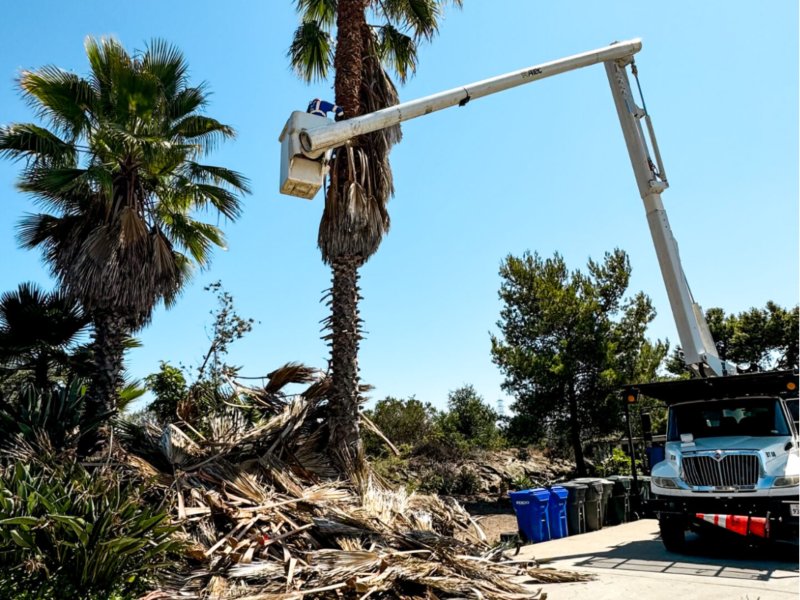
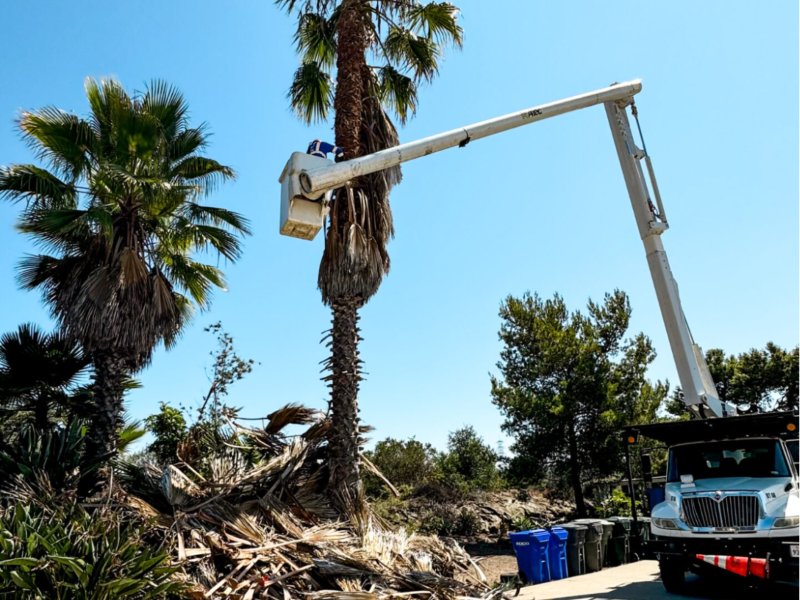
If you’re a homeowner in San Diego, CA, and the surrounding areas, you’ve probably looked at the trees on your property and wondered: “If that tree needs trimming, or worse — if it falls — will my homeowners’ insurance cover it?” It’s a smart question — and the answer isn’t always straightforward. That’s why CM Precision Tree and Landscape Maintenance Inc. put together this clear explanation so you know exactly what to expect.
A Story Every Homeowner Knows
Imagine this: It’s late afternoon in San Diego. You’ve just finished work, and as you relax in your backyard, you notice a big branch hanging over your patio. The winter rains haven’t been harsh, but it’s been windier than usual. That branch doesn’t look right. You think:
“If that falls, it could smash the patio furniture… or the roof.”
So you call your insurance company… and wait. Will they pay? Will you have to cover the cost yourself?
Let’s walk through what typically happens.
The Core Truth: Insurance Isn’t a Tree Service
Homeowners insurance is designed to protect your home from sudden, accidental damage — not predictable maintenance. That means:
Covered in most policies:
- Damage from a tree that unexpectedly falls due to a storm, wind, or lightning
- Removal of a tree that damaged a covered structure (house, garage, fence, etc.)
- Cleanup costs associated with that damage
Example:
A storm rips through San Diego and knocks a tree onto your roof. Your insurance may cover the cost of repairs and the removal of the fallen tree from the roof.
Typically not covered:
- Routine tree trimming or cutting for maintenance
- Removal of trees that haven’t caused damage
- Trees that fall due to age, rot, or neglect (maintenance issues)
Example:
Your oak tree has dead branches that have been there for months. You want them cut before they fall. That’s maintenance — not a covered loss.
Why Insurance Treats Tree Work Differently
Insurance companies differentiate between maintenance and peril:
- Maintenance is your responsibility. It’s predictable, ongoing, and prevents problems before they happen.
- Peril is sudden and accidental — something like a storm that drops a tree unexpectedly.
Routine trimming and cutting fall into maintenance. That means the cost typically comes out of your pocket, not your homeowners’ insurance.
When Tree Cutting Could Be Covered
There are scenarios where tree cutting connects to insurance:
1. A Tree Already Fell and Damaged a Structure
If a tree falls on your home, garage, or other covered structure, many policies pay for:
- Repairing the structure
- Removing the tree from the damaged structure
2. The Tree Falls Into a Hazardous Place After a Covered Event
Let’s say a tree didn’t fall on your house but landed in your driveway after a windstorm. Some policies offer limited coverage — usually up to a specific dollar amount — to remove trees that block access.
3. You Have Additional Endorsements
Certain policies may offer optional coverage or endorsements that broaden tree removal protections. This varies by provider and plan.
Pro Tip: Always ask your insurer about the limits on tree removal coverage and whether your policy includes endorsements for storm debris removal.
Real Talk from CM Precision Tree and Landscape Maintenance Inc.
At CM Precision Tree and Landscape Maintenance Inc., we’re tree care professionals — not insurance agents — but we work with homeowners and insurance companies every day. Here’s what we’ve learned:
- Insurance companies will almost always deny tree cutting requests that are about upkeep or pruning.
- If damage has already occurred, they’ll usually cover removal from the damaged structure, but not the cost to cut or trim beforehand.
- Documentation matters:
📌 Photos of storm damage
📌 A professional assessment
📌 A detailed report of whether tree failure contributed to the loss
Our team can help you document damage properly so you’re ready if you do make a claim.
When Should You Pay Out of Pocket?
You’re usually on the hook when:
- Trees pose a future hazard (even if you believe it’s dangerous)
- A tree is near power lines or structures, but hasn’t fallen
- You want cosmetic or landscape improvements
In these cases, you’ll want a trusted partner — not just for insurance reasons — but for safety and long-term tree health.
Why Proper Tree Care Matters in San Diego
San Diego’s climate — with its blend of dry spells and occasional strong winds — can make trees unpredictable. Regular trimming not only improves appearance, it also:
- Reduces storm damage risk
- Helps trees grow stronger and healthier
- Keeps limbs away from roofs, homes, and power lines
Having a professional arborist assess your trees before a problem arises is a smart investment that can prevent an insurance claim altogether.
How to Handle Tree Damage Insurance Claims
Here’s a simple checklist to follow if a tree has fallen or caused damage:
- Document the damage with photos/videos
- Call your insurance company to report the loss
- Request an adjuster inspection
- Get a professional tree assessment
(We can help — and provide a report if needed) - Keep all receipts for tree removal and repairs
- Ask about coverage limits for debris removal
This streamlined approach helps ensure you get every dollar your policy allows.
Helpful Resources for San Diego Homeowners
To understand your policy better and make smart decisions:
National and Insurance Resources
- Insurance Information Institute — Homeowners Insurance Guide
- National Association of Insurance Commissioners (NAIC)
Tree Care and Safety
- Arbor Day Foundation — Tree Risk & Maintenance Guides
- International Society of Arboriculture — Find a Certified Arborist
Local Resources (San Diego)
Final Word
Is tree cutting covered by homeowners’ insurance?
Sometimes — but only when a tree has caused sudden, accidental damage. Routine trimming and proactive cutting are usually not covered.
If you’re concerned about a tree on your property — or want to be prepared before a storm — we’re here to help.