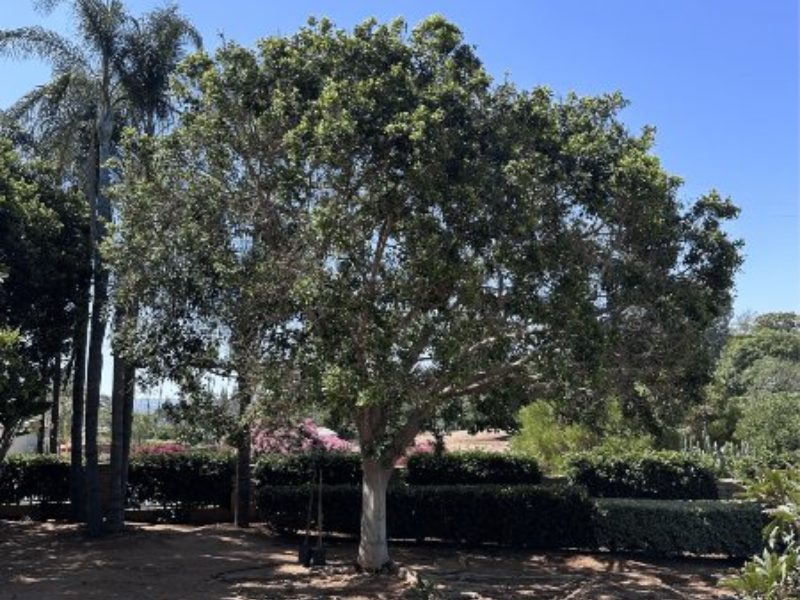
In San Diego, trees are more than part of the landscape—they’re part of the lifestyle. From shady backyard oaks in La Mesa to citrus trees in Chula Vista and palms along the coast, trees add beauty, value, and comfort to your property.
But even in San Diego’s mild, sunny climate, trees are not immune to disease.
At CM Precision Tree and Landscape Maintenance Inc., we often hear the same concern from homeowners and property managers:
“Why is my tree losing leaves, turning brown, or dying back—even though I’m watering it?”
The answer is often a tree disease that starts quietly and spreads fast if left untreated. The good news? With proper identification and care, many of these issues can be managed or even reversed.
Let’s walk through the most common tree diseases in San Diego and what you can do about them.
Anthracnose – The “Spring Leaf Drop” Disease
If your oak, sycamore, or maple suddenly looks scorched in spring, anthracnose may be the cause.
This fungal disease is one of the most common in Southern California hardwood trees. It thrives in cool, wet spring conditions and spreads through wind and water.
What it looks like:
- Brown or black spots on leaves
- Early leaf drop
- Twig dieback in severe cases
Why it matters in San Diego:
Even though we’re known for dry weather, spring moisture and coastal humidity can still trigger outbreaks, especially in irrigated landscapes.
Treatment:
Prune infected branches to reduce the spread
Rake and remove fallen leaves immediately
Improve airflow through the canopy
Apply preventative fungicides in early spring if needed
According to regional arborist resources, sanitation and pruning are the most effective first steps in controlling anthracnose in Southern California trees.
Armillaria Root Rot – The Silent Killer
Armillaria root rot is one of the most serious tree diseases in San Diego because it attacks underground—often unnoticed until it’s advanced.
What it looks like:
- Yellowing or thinning canopy
- Mushrooms near the base of the tree
- Branch dieback and declining vigor
Why does it happen:
This fungus thrives in soil with poor drainage or overwatering. Once it infects the roots, it disrupts the tree’s ability to absorb water and nutrients.
Treatment:
- Improve soil drainage immediately
- Reduce overwatering
- Remove severely infected trees to protect nearby plants
- Consult an arborist for site-specific management
Unfortunately, once established, this disease is very difficult to eliminate, making early diagnosis critical.
Powdery Mildew – The White Dust on Leaves
Powdery mildew is easy to recognize and very common in San Diego’s warm, dry climate—especially on crape myrtles, dogwoods, and fruit trees.
What it looks like:
- White or gray powder on leaves
- Leaf curling or distortion
- Stunted growth
Why it spreads:
It thrives in warm days and cool nights—conditions common in inland San Diego neighborhoods.
Treatment:
- Prune to improve airflow
- Avoid overhead watering
- Apply sulfur or horticultural fungicides early
- Remove infected leaves promptly
Good canopy management is the key to prevention.
Fire Blight – Fast-Moving Bacterial Disease
Fire blight can devastate ornamental and fruit trees such as pears, apples, and hawthorns.
What it looks like:
- Blackened leaves and shoots that look “burned.”
- Branches that curl into a shepherd’s hook shape
- Sudden dieback after flowering
Why it spreads:
It spreads rapidly through wounds, pruning cuts, and spring blossoms.
Treatment:
- Prune infected branches well below visible damage
- Disinfect tools between cuts
- Avoid pruning during wet weather
- Apply protective sprays during bloom season if recommended
Timing is everything—early intervention can save the tree.
Sudden Oak Death & Other Oak Diseases (Less Common but Serious)
While not as widespread in all parts of San Diego, oak diseases such as sudden oak death and other fungal pathogens remain a concern in California ecosystems.
What it looks like:
- Bleeding cankers on trunks
- Rapid leaf wilting
- Branch dieback
Treatment:
- Immediate removal of infected material
- Prevent movement of contaminated soil or wood
- Professional fungicide treatments for prevention (not cure)
Sanitation and containment are essential to prevent the spread to nearby trees.
Why Tree Diseases Are So Common in San Diego Landscapes
San Diego’s environment creates a unique mix of stress factors:
Long dry summers
Occasional heavy winter rains
Irrigation-dependent landscapes
Imported ornamental species not native to the region
These conditions can weaken trees and make them more vulnerable to fungi, bacteria, and pests. In many cases, diseases are actually secondary problems caused by stress.
How CM Precision Tree and Landscape Maintenance Inc. Helps
At CM Precision Tree and Landscape Maintenance Inc., we believe healthy trees start with proactive care—not reactive removal.
Our approach includes:
Professional Diagnosis
We identify whether the issue is fungal, bacterial, environmental, or pest-related.
Strategic Pruning
We remove infected limbs while preserving long-term tree structure and health.
Soil & Health Management
We address root zone health, drainage, and nutrient balance to strengthen resistance.
Preventive Care Plans
We help homeowners and property managers reduce future disease risk with scheduled maintenance.
Your Trees Don’t Have to Decline
If your trees are showing signs of disease, it’s easy to feel like removal is the only option.
But in many cases, early action makes a major difference.
The real problem isn’t just the disease—it’s letting it go untreated.
And the solution is simple:
Proper diagnosis
Timely treatment
Consistent tree care
That’s where professional arborist support makes all the difference.
Homeowner Tree Disease Resources
Here are some helpful tips about tree diseases and pest management.